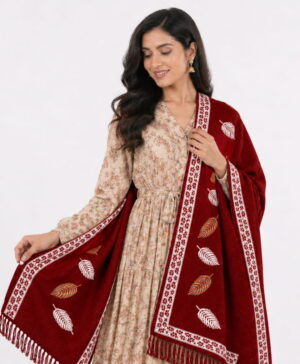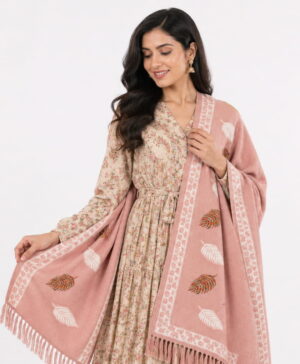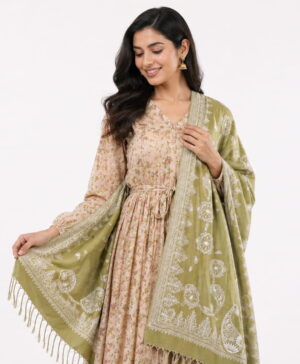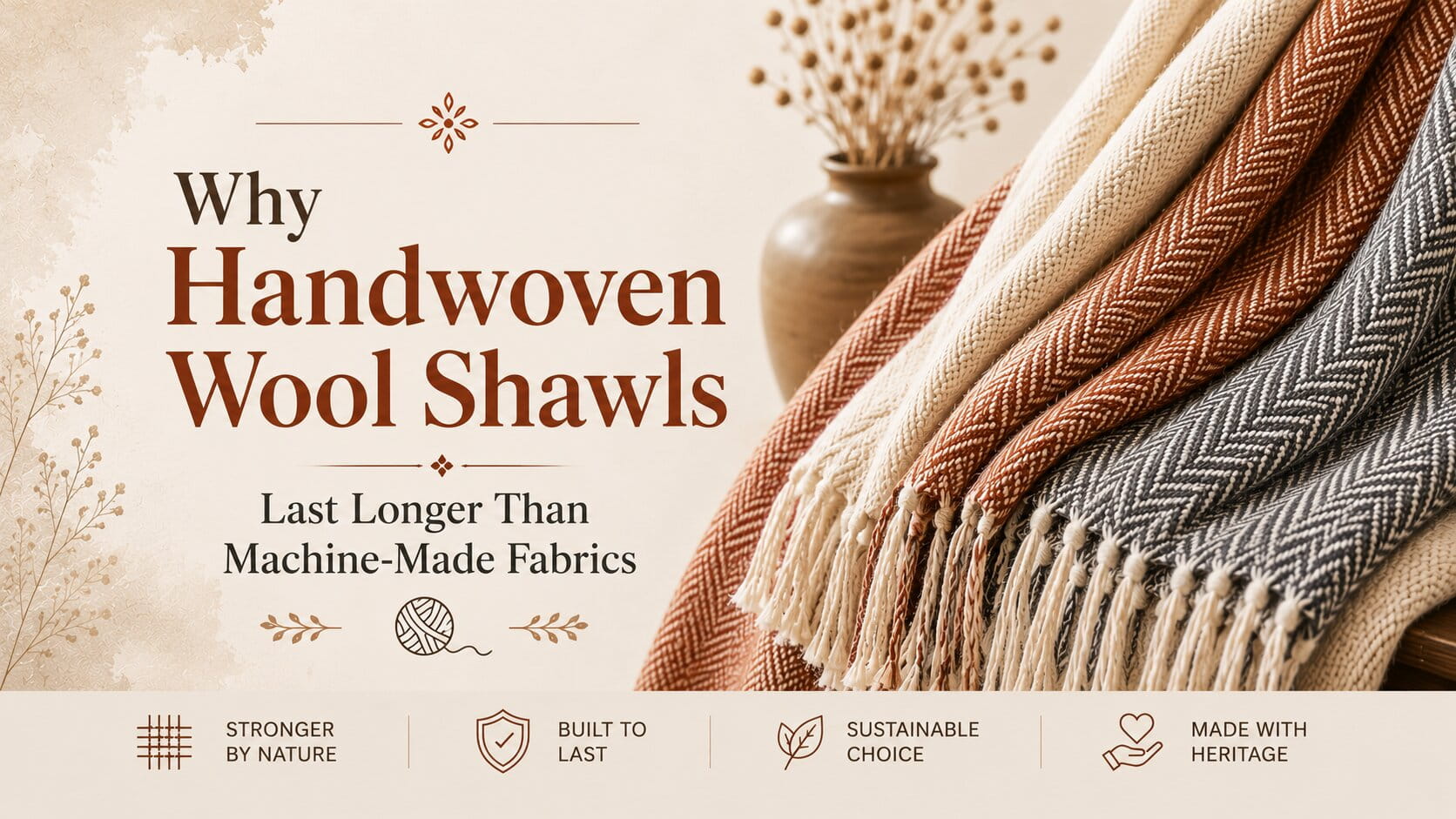
There is a quiet truth that seasoned textile lovers know well: a handwoven wool shawl passed down through a family for two or three generations will often be in better condition than a machine-made synthetic shawl bought just five years ago. This is not nostalgia talking. There are real, structural reasons why handwoven fabrics age gracefully while many modern alternatives simply wear out.
The most fundamental difference lies in how the threads interact. In handwoven fabric, a weaver throws the weft thread across the loom and beats it into place by hand, creating a structure where each thread is under a certain amount of natural tension. This tension is not perfectly uniform, and that variability is actually a feature, not a flaw. It allows the fabric to give and flex under stress without breaking. Machine-woven textiles are produced under controlled, consistent tension, which sounds ideal but can actually make the fabric more prone to tearing or pilling at stress points.
Wool itself is one of the most resilient natural fibers on earth. Each wool fiber has a complex, scaly surface structure that locks threads together when woven. Unlike cotton or synthetic fibers, wool can stretch up to 30 percent of its length and spring back to its original shape. It absorbs moisture without feeling wet. It is naturally fire-resistant. And it maintains its insulating properties even when damp — a feature that has kept people alive in cold climates for thousands of years.
Handwoven shawls also tend to use yarn that is slightly thicker and less processed than the yarn used in industrial textile manufacturing. Mass production favors very fine, chemically processed yarns that move efficiently through automated looms. Artisan weavers often work with yarn that retains more of the wool’s natural oils and structure, which contributes to the finished fabric’s longevity.
The finishing process matters enormously too. Industrial fabrics are often treated with chemicals to achieve a desired texture, sheen, or hand feel. These treatments can degrade over time, especially with repeated washing. Handwoven wool shawls are typically finished with more natural processes — careful washing, gentle stretching, and air drying — that do not compromise the integrity of the fiber.
There is also the matter of repairability. Handwoven textiles can be rewoven when they develop holes or thin spots, because the structure of the fabric is legible and accessible to a skilled hand. Machine-made fabrics with their tight, uniform weave are far harder to repair invisibly.
All of these factors together explain why investing in a genuine handwoven wool shawl is not just an aesthetic choice but a genuinely practical one. You are buying something designed to last, made by hands that understood the material deeply, using techniques refined over centuries.